Every photographer needs to master techniques in photography, especially when it comes to composition. Why is composition so important? Can’t you just go out on the street and take a picture however you want? The truth is, composition is not only about making a picture look visually appealing, but also about arranging elements in a scene effectively. Hence, they look balanced and more engaging within the frame.
To consistently produce outstanding photos, you need to apply the proper composition techniques in photography. Below are 10 powerful strategies you can practice and use in your own work.
Composition Techniques in Photography You Need to Know
To take an interesting photo, you not only need interesting subjects but also the knowledge of how to include those subjects in your photograph. In short, you also need to master compositional technique. Here are some photography composition tips that you can apply:
1. Centred Composition
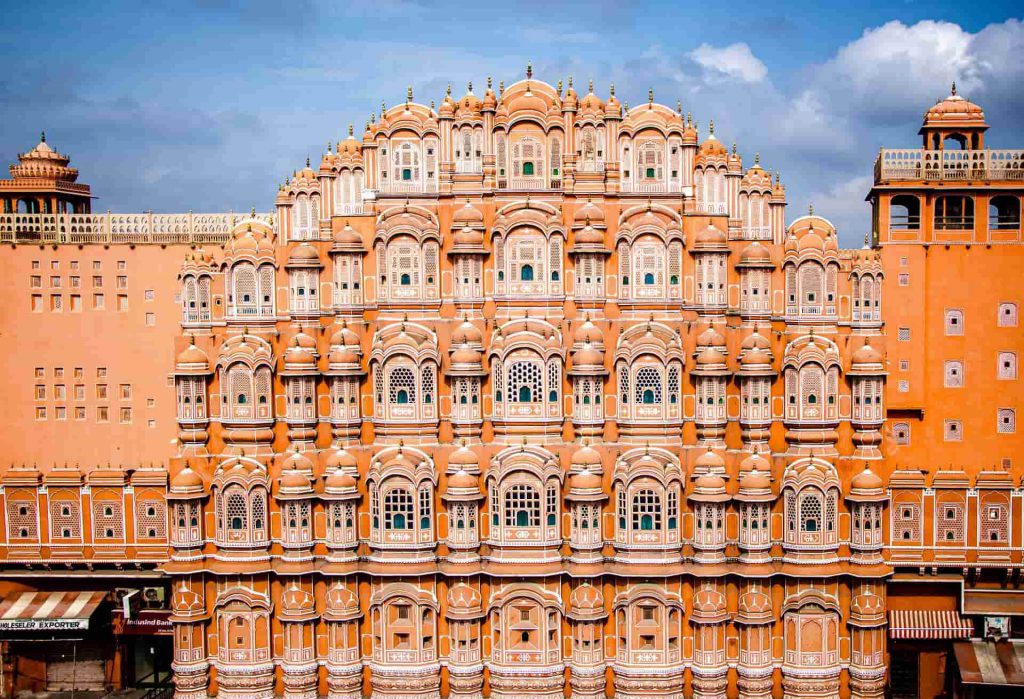
The first and most basic techniques in photography is centered composition. This approach focuses on symmetry, whether horizontal or vertical. A great example is a staircase or a lake that reflects a perfect mirror image. Centered composition helps create balance and harmony in your shot.
2. Rule of Thirds
The rule of thirds is one of the most popular and easiest techniques in photography. Your frame is divided into nine equal rectangles (three across and three down). Placing the subject at the intersections instead of the middle creates a more substantial visual impact. It is one of the first techniques every beginner should master.
Read also: 7 Techniques to Optimize Your Product Photography.
3. Frame Within a Frame
Another creative techniques in photography is using a frame within a frame. It gives your picture a sense of depth. You can try to find any frame from any object, and it doesn’t have to be surrounding the scene. With this interesting composition technique, you can easily draw the viewer’s eye to the focus of your photograph.
To explore this composition technique even further, you can widen your imagination and utilize natural frames, such as rock formations or other naturally shaped elements, to draw the viewer’s attention and focus to the main subject of your photograph.
4. Golden Ration
A slightly advanced composition techniques in photography is the golden ratio. It utilizes a spiral, often referred to as the Fibonacci Spiral, to guide the flow of the scene. While more complex than the rule of thirds, it produces natural and aesthetically pleasing results once mastered.
Read also: Zoom Photography Tips: Let’s Master It.
5. Rule of Space
When you try to take a picture of something in motion, such as a boat on the river, you need to understand the rule of space. This technique can make whoever sees your picture get into your realm of imagination. You have to capture the boat and also the space where it is going. With that kind of capture, people can imagine that the ship is going to ‘that’ way. If the boat is going the right way, you can position it on the very left of your frame, allowing more space in the middle to the right. That’s how you make a picture ‘move’ in people’s minds.
6. Leading Lines
Leading lines are one of the most effective techniques in photography for guiding the viewer’s attention. Suppose you want the audience to focus on a particular focal point or main subject in your photograph. In that case, you can always provide some imaginary road, known as leading lines, to guide their attention. For example, you can utilize horizontal lines created by the floor or paving stones to create leading lines that draw the viewer’s attention toward the main subject.
7. Leaving Negative Space
Sometimes, all you need for your photograph is only the focal point or the main subject. It can be interesting to enrich your photography composition with various elements, such as using a frame or other compositional tools.
To apply this photography composition technique, take a picture and leave negative space as the background, such as a wall, blue sky, or other elements. With this photo composition, your audience can better focus on the main subject while giving the focal point some breathing space.
8. Golden Triangles
Similar to the rule of thirds, the golden triangles techniques in photography divides the frame with diagonal lines, creating dynamic tension. However, instead of dividing the frame with a grid, you divide the frame by using a diagonal line from one end to another and then adding two vertical lines from the other corner, creating an intersection, to form triangles.
This photography composition technique can be used to introduce what photographers call ‘dynamic tension’. What does it mean? In the world of composition techniques in photography, vertical and horizontal lines symbolize stability. Diagonal line, however, implies instability. The diagonal line created by the triangle can be used to introduce a sense of instability in your photography composition.
9. Diagonal and Triangle
As we have discussed before, diagonals and triangles imply and create a sense of instability in the photography composition. Finding and creating diagonals and triangles does not always require starting with the rule of thirds. You can always find natural objects that are triangle-shaped or find a way to compose several objects and create an imaginary diagonal line. These simple techniques in photography add interest and build a sense of movement.
10. Balance Element
To create a visually appealing photograph, you need to understand several photography composition rules, one of which is the rule of thirds. While the rule of thirds serves as a good start to train your photographer’s eye, the application of the rule of thirds sometimes leaves lots of negative space in the photograph, especially if you put the subject in the middle.
Handling lots of negative space is quite simple. You need to fill it with other objects. One effective techniques in photography for introducing or including different objects in your photograph is to use what is known as a secondary subject. By utilizing another subject, you add ‘weight’ to the negative space created by the rule of thirds. Just make sure that the other subject is not more prominent than your main one.
Conclusion
Mastering various photography techniques will significantly enhance your skills and enable you to tell more compelling stories through your images. From the rule of thirds to golden ratio, leading lines, and negative space, each composition technique gives you tools to create unique and professional-looking photos.
And if you need help perfecting your images after the shoot, Dropicts is here to assist. As a professional photo editing service, Dropicts helps photographers save time while ensuring photos look their very best. With expert retouching and editing, your shots can stand out and impress clients or audiences.

Image Source: