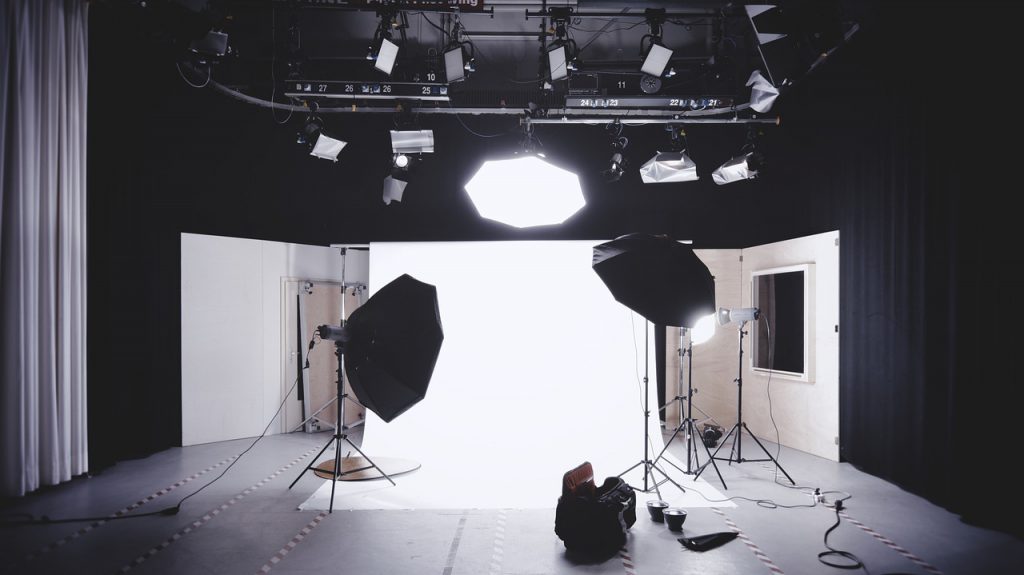
What if we tell you that there are some DIY backdrop stand ideas that you can easily make in your own home? With a bit of creativity and a few affordable materials, you don’t need to depend on rented studios anymore.
If you can create a backdrop yourself, wouldn’t it be easier to hold the photography session in your most comfortable place? You can transform a spare room into your personal studio without incurring extra costs on studio rentals. Even better, once you’ve built a DIY backdrop stand, you can even rent your space out to other photographers who need a studio. It’s not just a way to save money; it could also become a side hustle that brings in additional income.
The good news is, trust us, it’s actually very easy to build a DIY backdrop stand. Below, we’ll guide you through everything you need to know—from the list of tools and materials to the step-by-step tutorial on how to build your own backdrop stand at home.
Read Also: 12 Creative Photography Ideas at Home
What Do You Need to Build a DIY Backdrop Stand?
Before beginning the tutorial, please prepare the necessary materials. The advantage of building a DIY backdrop stand is that the materials are simple, affordable, and readily available in most hardware stores. Here’s what you’ll need:
- 50 cm PVC pipes (4 pcs)
- 2.5 m PVC pipes (2 pcs)
- 1 m PVC pipes (4 pcs)
- T-shaped connectors (4 pcs)
- Elbow connectors (6 pcs)
If you can’t find PVC pipes in the exact sizes listed above, don’t worry. You can buy longer pipes in general sizes and cut them using a PVC cutter. Cutting PVC is not difficult at all, and most people can do it themselves without special equipment.
How to Build a DIY Backdrop Stand (Step by Step)
Once you’ve gathered all the materials, it’s time to assemble your DIY backdrop stand. Just follow these simple steps:
- Build the stand legs first.
- Use the elbow connectors, T-connectors, 50 cm pipes, and 1 m pipes. Join two 50 cm pipes together using a T-connector to create two identical parts.
- Attach the elbow pipes.
- Add the elbow pipes to each end of the pipes. It will become the upper part of the backdrop stand. For the other ends, insert the middle side of the T-connectors to create balance and stability.
- Connect the vertical frame.
- Take the middle T-connectors and attach them to the 2.5 m pipes. These pipes will act as the vertical poles of your backdrop stand.
- Finish the legs.
- Connect two of the 1 m pipes into the bottom T-connectors on both sides. It will provide the stand with a stable base, preventing it from wobbling.
- Add the crossbar and hang your fabric.
- Use the last set of pipes to connect the top part of the stand. Finally, hang some fabric, muslin, or paper as the backdrop. You can also use patterned cloth, plain white fabric, or even a green screen, depending on your photography needs.
And just like that, you now have a fully functional DIY backdrop stand!
Read Also: 10 DIY Photo Backdrop Ideas
Tips for Using Your DIY Backdrop Stand
Building the stand is only the first step. To make the most of your new photography tool, here are some tips:
- Choose the right fabric. Cotton, muslin, or polyester works well because they are less reflective and easy to wash.
- Avoid wrinkles. Iron or steam your backdrop fabric before using it to avoid distracting folds in your photos.
- Experiment with colors. Don’t limit yourself to plain white or black. Try pastel tones, textured fabrics, or even patterned backdrops for creative results.
- Stabilize the stand. If you’re shooting outdoors or in a windy area, place some sandbags at the base of the stand for extra support.
- Switch backdrops easily. You can clip multiple fabrics onto the crossbar and switch them out depending on your photoshoot theme.
Why Choose a DIY Backdrop Stand?
The most significant benefit of a DIY backdrop stand is affordability. A professional backdrop kit can be pretty expensive, but making one yourself costs only a fraction of the price. Additionally, you have the flexibility to customize the size, color, and fabric to suit your unique photography style.
Another reason is convenience. Having your own backdrop stand at home means you can shoot anytime without worrying about studio availability. Whether you’re working on product photography, portraits, or creative photo projects, your DIY backdrop stand will always be ready.
Final Thoughts
After reading this guide, you can see that building a DIY backdrop stand is not as complicated as it might seem. With just a few PVC pipes and connectors, you can set up your own professional-looking backdrop right in your living room or spare room.
Not only does it save you money, but it also gives you the freedom to create photography sessions in the comfort of your own home. Additionally, with the added tips, you can optimize the use of your backdrop for various photography projects.
And if after your photo session you need professional editing help, Dropicts is here for you. We offer high-quality photo editing and retouching services to enhance your pictures and make them stand out even more. Visit our website and let us help you turn your DIY photos into professional results!

Image Source: