Reflection images photography can be both a rewarding and challenging skill for photographers, especially when working with products made of highly reflective materials like glass, gems, and metals. These surfaces behave differently from non-reflective objects because they don’t absorb light. Instead, they bounce it back at the same angle it hits them. It can create unwanted glare, hot spots, and distorted reflections, making it challenging to produce clean, professional-looking photos.
If you’re an online seller, this challenge can directly affect your sales. Customers expect to see your products clearly, without distracting reflections that hide the details. But don’t worry — with the proper techniques, you can master reflective image photography and turn reflective surfaces into an asset instead of a problem.
Simple Ways to Create Perfect Reflection Images Photography of Products
The good news is that you don’t need the most expensive gear to capture high-quality reflective product photos. A few smart adjustments to your setup and workflow can make a huge difference.

1. Use a Tripod for Stability
A tripod is one of the most essential tools when photographing reflective objects. It keeps your camera stable, helping you achieve tack-sharp images without motion blur. A tripod is necessary if you’re shooting with a slower shutter speed to control your exposure.
With a tripod, you can also take multiple shots with different lighting angles and merge them in post-production for a flawless final image.
2. Control Your Lighting with a Diffuser
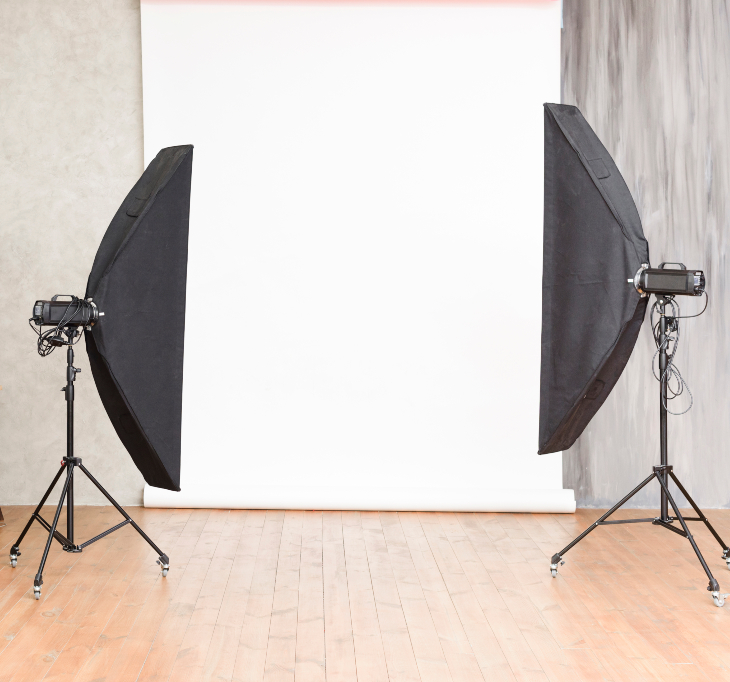
When photographing reflective surfaces, harsh light can be your worst enemy. A diffuser softens the light, reducing glare and hot spots. Place it between your light source and the product to create even, flattering illumination.
Soft, diffused light wraps gently around the object, minimizing harsh reflections while still revealing details and textures.
Read also: 4 Easy Tricks for Photographing Glass.
3. Switch to Manual Mode
Automatic settings might overcompensate for the brightness of reflections, leading to underexposed or washed-out photos. Switching to manual mode gives you complete control over aperture, shutter speed, and ISO.
- Aperture: Use a mid-range aperture (like f/8) for balanced sharpness.
- ISO: Keep it low (100–200) to avoid noise.
- Shutter Speed: Adjust based on your lighting setup — longer if you have less light, shorter for brighter environments.
Background Matters in Reflection Images Photography
Most e-commerce product photos use a plain white background, which keeps the focus on the product. If you’re shooting straight-on, try placing an additional light source behind the object to brighten the background. A flash works well because it delivers a quick, powerful burst of light.
However, if you’re using a colored background, make sure the product is placed far enough from it. Otherwise, reflected light from the background could cast an unwanted color tint onto your product.


Post-Production: The Final Step to Perfection
Even with the best photography setup, reflective products often need post-processing to remove imperfections. You might notice smudges, fingerprints, dust, or stray reflections that distract from the product. It is where editing tools come in:
- Healing Brush or Clone Stamp: Remove unwanted spots and blemishes.
- Background Cleanup: Ensure the background is pure white (or the intended color) and free from distractions.
- Color Adjustments: Enhance contrast and vibrancy while keeping colors true-to-life.
The goal is to make the product look clean, polished, and ready to impress potential buyers.
When to Seek Professional Help
Suppose you’re feeling overwhelmed by the amount of editing required for reflective product images. In that case, outsourcing can save you time and stress. Professional image retouching providers like Dropicts specialize in enhancing product photos, removing flaws, and perfecting lighting and reflections without making them look artificial.
With expert editors handling the post-production process, you can focus on mastering your photography skills — especially the unique art of reflection image photography. This way, you get the best of both worlds: stunning photos and a streamlined workflow.
Final Thoughts
Photographing reflective products might seem intimidating at first. Still, with the proper techniques and tools, you can capture images that stand out in the competitive e-commerce market. By using a tripod for stability, controlling light with a diffuser, adjusting settings manually, and keeping backgrounds clean, you can significantly improve your results.
Don’t forget the power of post-production to take your images from good to exceptional. And if you need extra help, professional editing services are always an option.
Mastering reflection images photography not only improves the look of your products but also boosts customer trust and conversion rates. With practice and attention to detail, you can transform challenging reflective surfaces into an opportunity to showcase your products at their absolute best.

Image source:
Freepik.com