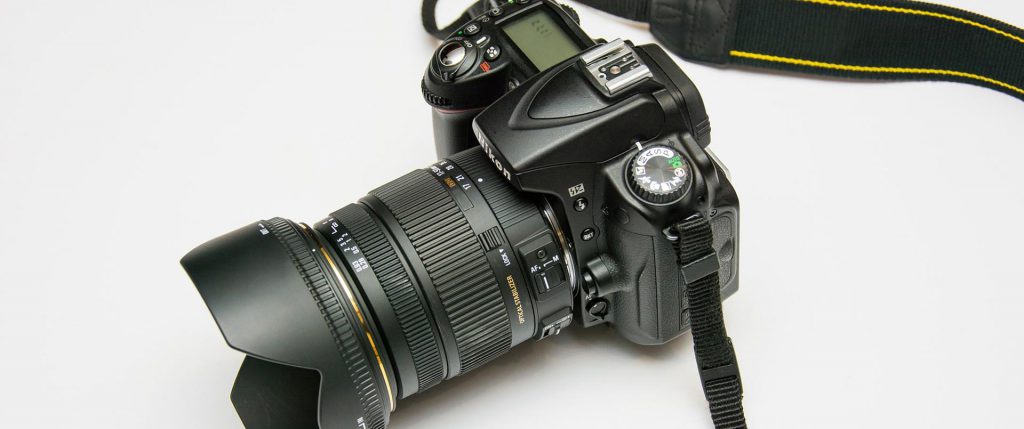
Focal Length in Prime Lenses
Prime lenses typically offer exceptional benefits to enhance image quality. Cameras mostly use these types of lenses with a poor-quality zoom lens. The use of a prime lens will drastically increase the image quality level. For those who are unfamiliar, there are key differences between a zoom lens and a prime lens. And you need to know because you don’t want to waste your money on buying the wrong stuff.
Imagine this: you can zoom in and out with your camera when taking a picture. But, prime lenses don’t zoom. In other words, a prime lens can’t zoom in or out. Yes, regardless of the method you use, a prime lens won’t zoom and stay fixed at a specific focal length. Here are a few tips that Dropicts can give to you
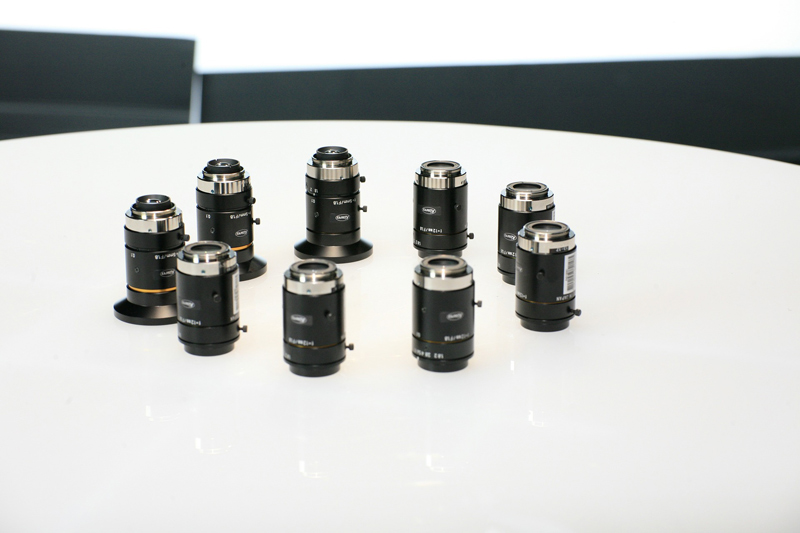
About Focal Length
Maybe you have ever tried this. When you want to take a shot at your subject, sometimes you step forward or even backward. A focal length is the distance between a camera lens and the object it is focusing on. For comparison, a standard lens, which is a type of zoom lens, requires manual adjustment to use, and you remain in that position. However, a prime lens requires you to move in or out, and the lens remains stationary.
Perhaps you ask yourself, why buy a lens that can’t be changed? Well, first, a prime lens is cheaper than a zoom lens because it can’t be interchangeable. Another benefit of a prime lens is that it produces a beautiful image in low-light conditions with excellent focus. It means the prime lens will focus on your object, blurring the background around it. A zoom lens rarely has a lower f-number than f/2.4, while a prime lens typically has an f-number of f/1.4. f represents focus. The lower the number, the more focus you get and the better your ability to shoot in low light.
Things to consider before you buy any prime lens :
Camera type

First, consider your camera type, which is an essential factor. Take a look at your camera again before deciding to get a prime lens. A DSLR camera may have a cropped sensor or a cropped body. The prime lens and zoom lens yield different results, and it appears to be zoomed in. Prime lenses don’t zoom, and capture more image body than an ordinary DSLR camera.
Typical subject

Subject matter is the most important thing when selecting a prime lens. Consider the type of product you want to shoot. For example, in food photography, a food photographer typically captures the object closely, making an 85 mm focal length ideal. This lens will provide you with detailed shots without requiring you to move close to the object. Sometimes, you can use a wider lens; unfortunately, the image you get is slightly different from what you would get with a prime lens.
Read also: 4 Simple Ways to Take a Good Picture With a Good Description
Try before buy

If you’re unsure about which lens to use, you can try it first. To be an essential part, you should try it first before you buy. This act helps avoid any mistakes that may come in the future. If necessary, you may also rent this gear for a weekend.
In the meantime, you can obtain fascinating image results if you possess the proper skills or techniques. The technique also plays a crucial role as the primary lens itself. If you are interested in photography techniques, Dropicts is the best professional photo editing service source that you have ever seen. We also provide an image editor just in case you need our help with your photo.

Image Courtesy: abeautifulmess.com