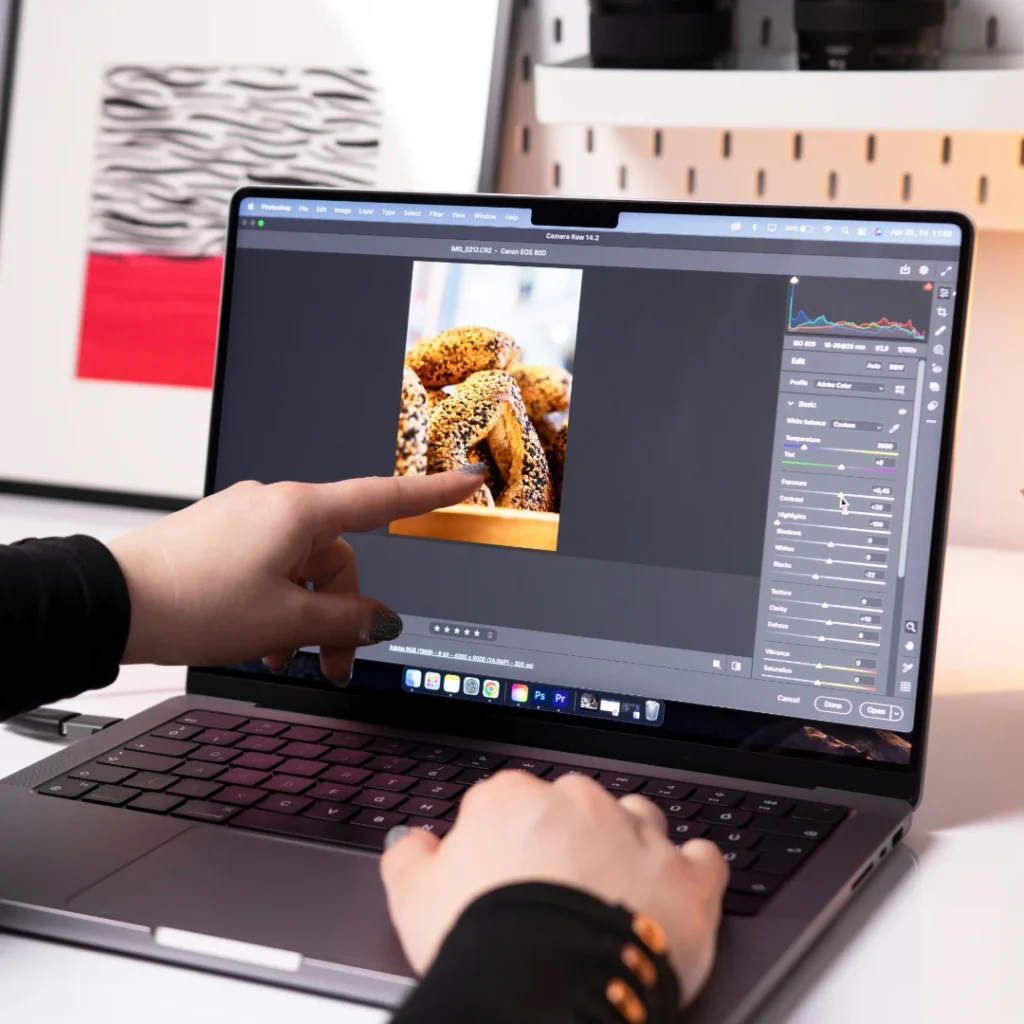
A product photo comes back from a shoot with a problem, a slightly off angle, a shadow in the wrong place, a color that’s not quite right, and someone has to decide fast whether that’s a quick editing fix or a reason to schedule the product back in front of a camera. Most teams make this call on gut instinct, shoot by shoot, which works until volume increases and that same instinct starts producing inconsistent, expensive decisions across a growing catalog.
Why This Decision Deserves an Actual Framework
Reshooting costs time, coordination, and often money, especially if a product has already been returned to storage, a rented studio slot has ended, or a freelance photographer has moved on to another project. Fixing something in editing that genuinely can’t be fixed well, on the other hand, produces a photo that looks subtly wrong no matter how much editing time gets poured into it, wasting effort in the opposite direction. Neither mistake is obvious in the moment. Both become expensive at scale.
Problems That Are Almost Always Fixable in Editing
Color and white balance issues, provided the underlying exposure is reasonably correct, are usually correctable without any visible quality loss, particularly if the photo was shot in RAW format.
Minor dust, lint, or surface blemishes on the product or backdrop are standard retouching work with no meaningful downside to fixing rather than reshooting.
Background inconsistency, an uneven backdrop color or a slightly visible seam, can typically be corrected or replaced entirely without needing to touch the product itself again.
Minor exposure issues, as long as the histogram (covered in more detail in our guide on reading a histogram for product photography) shows the shot wasn’t significantly clipped in the shadows or highlights, generally have enough recoverable detail to correct in editing.
Problems That Usually Require a Reshoot
Focus issues. A genuinely soft, out of focus image cannot be meaningfully sharpened back to a truly sharp result. Sharpening tools can improve the appearance slightly, but they can’t recover detail that was never captured.
Significant motion blur on the product itself, rather than an intentional creative effect, is generally unrecoverable in the same way focus issues are.
Severely clipped exposure, where the histogram shows either shadows or highlights fully cut off with no recorded detail at all, cannot be restored in editing, since the information simply doesn’t exist in the file.
Wrong angle or composition that misses a required shot entirely. If a listing needs a specific angle, a back view, a detail shot of a closure or seam, and that angle simply wasn’t captured, no amount of editing invents an angle that was never photographed.
A Practical Way to Make the Call Quickly
A useful shortcut: if the problem is about color, surface cleanliness, or background, it’s almost always an editing fix. If the problem is about focus, motion, or missing a required angle entirely, it’s almost always a reshoot, and treating it as an editing problem instead usually produces a worse result at greater total cost than simply reshooting would have.
Why Getting This Decision Wrong Compounds at Scale
A single misjudged call, spending significant editing time trying to salvage an unfixable photo, or unnecessarily reshooting something that editing could have handled cleanly, isn’t a large cost on its own. Repeated across a growing catalog, though, both mistakes compound: unnecessary reshoots quietly inflate production costs and slow down publishing timelines, while over ambitious editing attempts on unfixable images either produce visibly subpar final photos or burn significant editor time before someone finally admits a reshoot was needed anyway.
Also read: What to Automate in Product Photo Editing, and What Not To
Frequently Asked Questions:
1. Can a blurry or out of focus photo be fixed in editing?
Not meaningfully. Sharpening tools can slightly improve the appearance of a soft image, but they cannot recover detail that was never actually captured by the camera, which is why focus issues generally require a reshoot rather than an editing fix.
2. Is a color or white balance problem always fixable without reshooting?
In most cases, yes, provided the underlying exposure is reasonably correct and ideally the photo was shot in RAW format, which retains more data for accurate color correction than a JPEG file does.
3. How can a team decide this consistently instead of case by case?
Grouping the type of problem into two categories, color, surface, and background issues as generally fixable, versus focus, motion, and missing angles as generally requiring a reshoot, gives a fast, consistent decision rule that doesn’t rely on individual judgment calls varying from person to person.
4. What’s the cost of getting this decision wrong repeatedly?
Unnecessary reshoots inflate production costs and slow down catalog updates, while attempting to edit genuinely unfixable images wastes editor time and often still results in a reshoot being needed afterward anyway, making both mistakes more expensive than making the right call the first time.