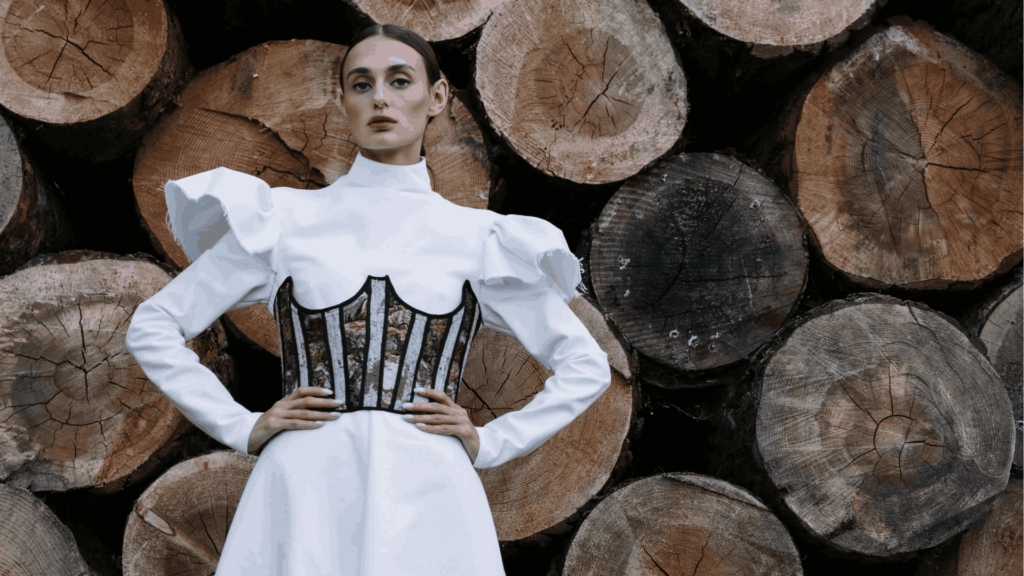
Editorial photography is more than just taking pretty pictures; it’s about telling a story. If you’ve ever flipped through a magazine or scrolled through a feature article online and noticed images that feel meaningful, emotional, or narrative-driven, you’ve already seen editorial photography in action.
Unlike commercial photography, which focuses on selling products, editorial photography focuses on communicating ideas, moods, and stories. And the best part? You don’t need a big studio or expensive gear to start learning it.
Let’s break it down practically.
What is Editorial Photography?
Editorial photography is a style of photography used to illustrate stories, articles, or concepts, usually in magazines, blogs, newspapers, or digital publications.
Instead of promoting a product, editorial photos are meant to support a narrative. They add depth to written content and help readers connect emotionally with the story.
For example:
- A photo of a tired entrepreneur working late on a business article
- A candid street shot to support a cultural piece
- A styled fashion shoot for a magazine feature
The key idea is simple:
Editorial photography = storytelling through images
Creative Editorial Photoshoot Ideas
Sometimes the easiest way to understand editorial photography is by looking at real-world scenarios.
Here are some common examples:
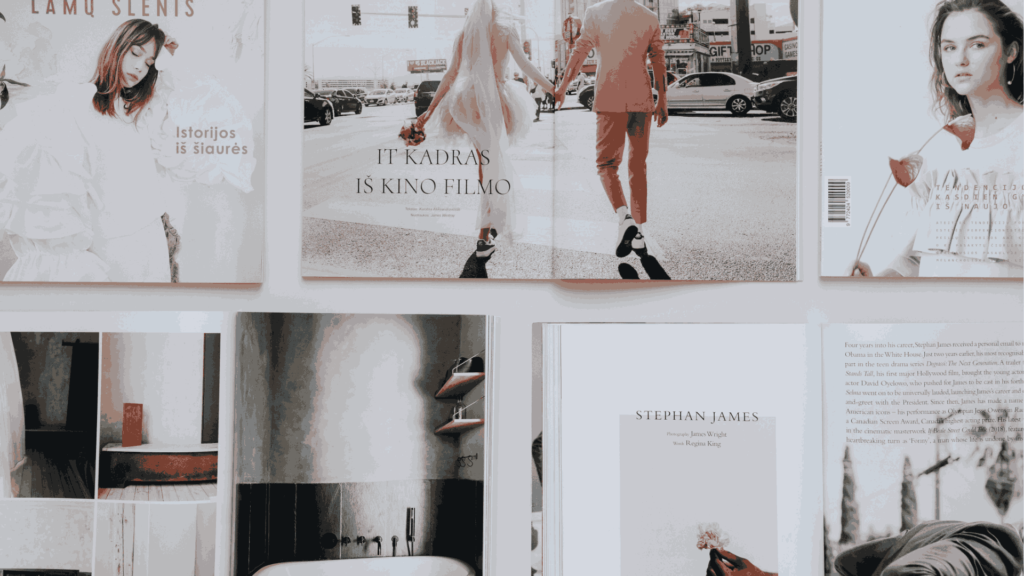
1. Magazine Features
Think of fashion spreads where models pose in a way that tells a story, not just showing clothes, but expressing a mood or theme.

2. Lifestyle Articles
Photos of people cooking, working, traveling, or relaxing that match the topic of an article.
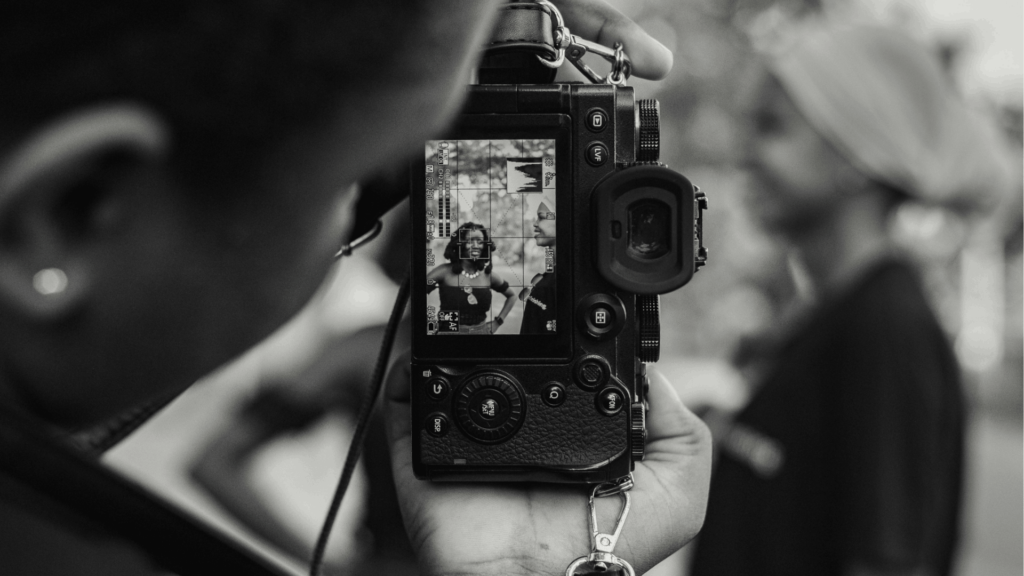
3. Documentary-Style Images
Candid shots capturing real-life moments. Like a street vendor, a protest, or daily life in a city.
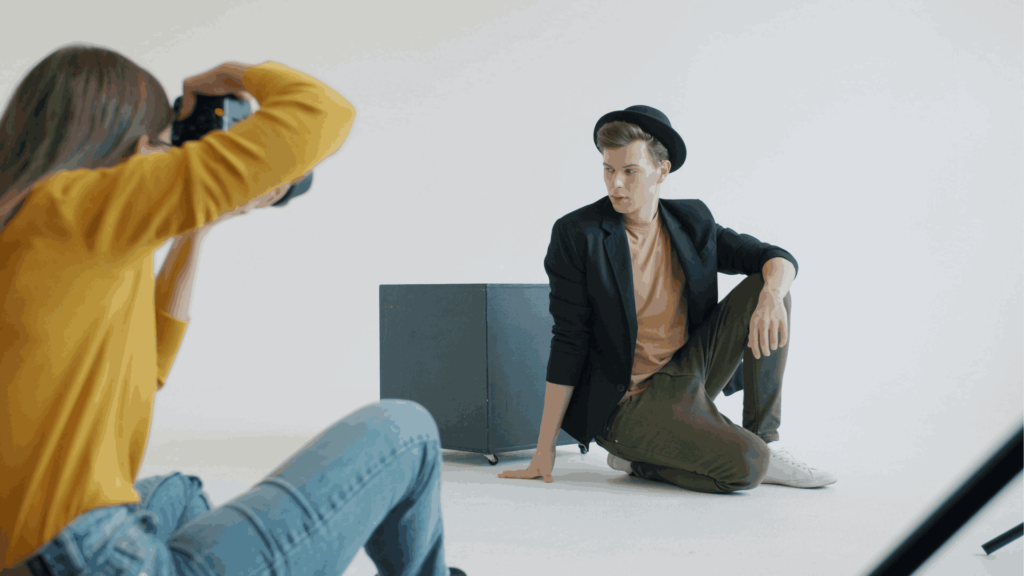
4. Conceptual Shoots
Images that visually represent abstract ideas like stress, success, or creativity.
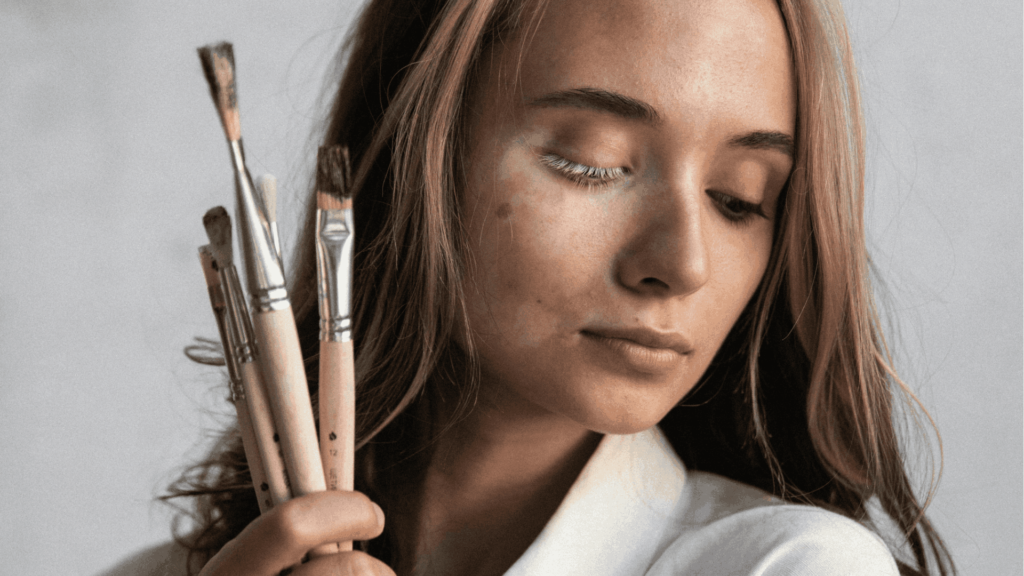
5. Portraits with Context
A portrait of a person in their environment. Like an artist in their studio or a barista in a cafe.
The common thread? Each photo supports a story or message, not just aesthetics.
Types of Editorial Photography
Editorial photography isn’t just one style; it’s a broad category with several sub-types. Here are the most common ones:
1. Fashion Editorial Photography
It is probably the most recognizable type. It goes beyond showcasing outfits and focuses on creating a narrative or theme.
Example: A vintage-inspired shoot set in an old train station.
2. Documentary Editorial Photography
This style captures real-life events and situations. It’s often raw, unfiltered, and emotionally powerful.
Example: Photos of daily life in a rural village or coverage of social issues.
3. Lifestyle Editorial Photography
These photos feel natural and relatable. They show everyday moments but with a storytelling angle.
Example: A young couple cooking together for a blog about relationships.
4. Corporate Editorial Photography
Used in business articles or company profiles, these photos tell stories about people at work.
Example: A startup team brainstorming in a modern office.
5. Travel Editorial Photography
These images highlight places, cultures, and experiences, often used in travel blogs or magazines.
Example: A sunrise shot of a local market with people interacting.
Editorial Photography vs Commercial Photography
Editorial photography and commercial photography are often confused because both can look visually similar. However, they have very different purposes, creative approaches, and goals.
Understanding the difference can help photographers choose the right style for their projects and communicate more effectively with clients.
Editorial Photography
Editorial photography focuses more on storytelling, emotion, and creative expression.
This type of photography is commonly used in:
- fashion magazines
- online publications
- visual storytelling projects
- creative campaigns
- artistic photo series
Editorial photos are designed to support a narrative or concept rather than directly sell a product.
Photographers usually have more creative freedom with:
- styling
- lighting
- composition
- poses
- color grading
- artistic direction
Editorial photography often feels more dramatic, cinematic, or emotional because the goal is to create a strong visual story.
For example, a fashion editorial photoshoot may focus on mood, character, or atmosphere instead of clearly showcasing clothing details.
Read also: Fashion Photography Tips
Commercial Photography
Commercial photography is created primarily to promote or sell products, services, or brands.
This style is commonly used for:
- advertisements
- ecommerce stores
- product catalogs
- marketing campaigns
- social media ads
- brand promotions
In commercial photography, the main goal is clarity and brand presentation.
Compared to editorial photography, commercial photography usually requires:
- cleaner compositions
- accurate colors
- clear product visibility
- stronger branding consistency
- more client-focused direction
Creative freedom is often more limited because the visuals must align with marketing goals and brand guidelines.
For example, product photography for ecommerce focuses on making products look attractive, detailed, and trustworthy to potential buyers.
Key Differences Between Editorial and Commercial Photography
Here are the main differences between the two styles:
Editorial Photography
- Storytelling-focused
- More artistic and emotional
- Creative freedom is higher
- Commonly used in magazines and creative campaigns
- Visuals prioritize mood and narrative
Commercial Photography
- Sales and branding-focused
- More structured and client-driven
- Product clarity is important
- Commonly used for advertising and ecommerce
- Visuals prioritize conversion and marketing goals
Which Photography Style Should You Choose?
The best choice depends on your creative goals and project needs.
Editorial photography is ideal if you want to:
- create artistic concepts
- tell visual stories
- experiment creatively
- build a cinematic or emotional atmosphere
Commercial photography is better if your goal is to:
- promote products
- support brand marketing
- improve ecommerce visuals
- create advertising content
Many professional photographers eventually combine both styles by using strong storytelling techniques while still maintaining clear branding and marketing objectives.
How to Plan an Editorial Photoshoot
If you want to start creating strong editorial photography, you don’t need to overcomplicate things. Focus on storytelling first, then technique.
Here are some practical tips you can apply right away:
1. Start with a Story Idea
Before picking up your camera, ask yourself first:
What story am I trying to tell?
Even a simple concept like “a productive morning” can guide your shots and make them more cohesive.
2. Focus on Emotion
Editorial photography works best when it makes people feel something.
Try to capture:
- Genuine expressions
- Natural interactions
- Real moments
Avoid overly stiff or “posed” shots unless they fit your concept.
3. Use Natural Light
You don’t always need studio lighting. Natural light can create a more authentic and relatable look. Perfect for editorial styles.
Pro tip: Shoot during golden hour for soft, warm tones.
4. Pay Attention to Details
Small elements can make a big difference in storytelling.
Think about:
- Background
- Props
- Clothing
- Colors
Everything in your frame should support your story.
Read also: Creative Color Grading
5. Direct Your Subject, But Keep It Natural
If you’re working with models or friends, give them simple directions instead of rigid poses.
For example:
- “Walk slowly and look out the window.”
- “Pretend you’re waiting for someone.”
It creates more natural, believable shots.
6. Shoot in Series
Editorial photography often works best as a set of images rather than a single image.
Try capturing:
- Wide shots
- Medium shots
- Close-ups
It gives more depth to your story.
7. Edit Consistently
Your editing style should match the mood of your story.
For example:
- Warm tones for cozy, happy stories
- Cool tones for serious or emotional themes
Consistency helps your photos feel like part of one narrative.
Final Thoughts
Editorial photography is one of the most creative and flexible photography styles you can explore. It’s not about having the best gear, it’s about having a clear idea and telling a story through your lens. If you’re a beginner, start simple:
Pick a small concept, use natural light, and focus on real moments. Over time, your storytelling skills will improve, and that’s what truly makes editorial photography stand out.
So next time you pick up your camera, don’t just think about taking a photo. Imagine the impact of sharing a compelling story.
If you’re short on time to fix your photos, no worries! Contact us now to get free image editing services. Click here to contact our sales representative!
Image source: