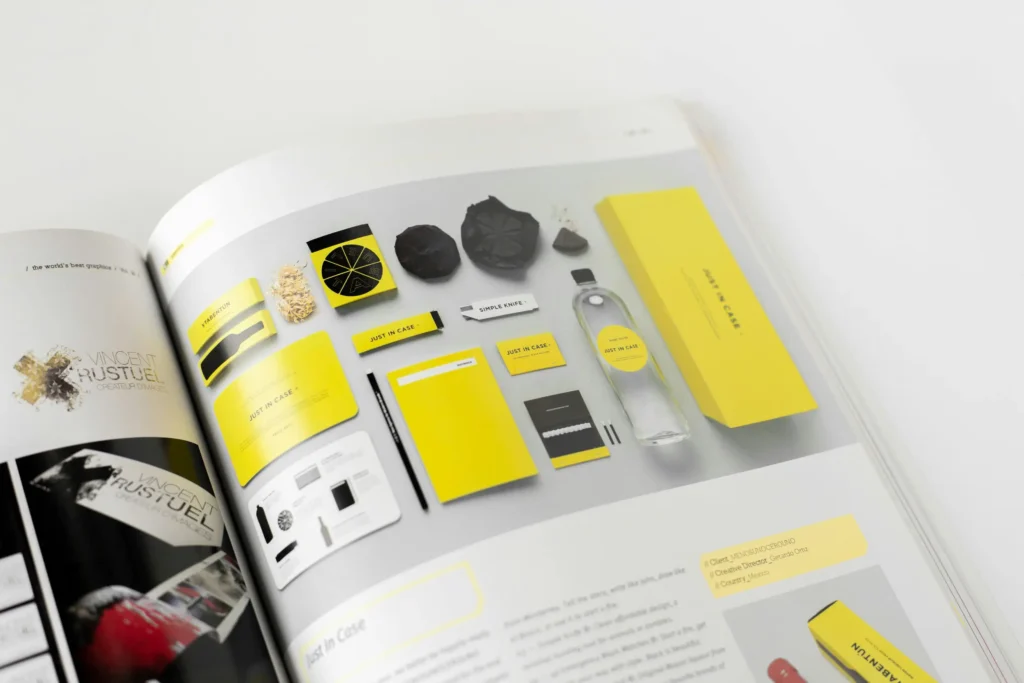
A retail buyer reviewing 20 to 40 supplier line sheets in a single buying season isn’t shopping the way a consumer does. They’re evaluating whether your product fits an assortment, sells through at margin, and ships reliably, all in the few seconds they spend on each page before moving to the next supplier. Product photography for wholesale line sheets needs to answer a genuinely different question than consumer facing ecommerce photography, and a beautifully styled lifestyle shot that converts a retail customer can actively work against you here.
Why a Line Sheet Isn’t Just a Smaller Product Catalog
A line sheet is a specific, operational B2B document, distinct from a consumer catalog or a brand lookbook, built for one purpose: helping a retail buyer place an accurate order quickly. Buyers need SKUs, wholesale pricing, minimum order quantities, and available variants presented consistently across every product, with photography that supports fast, confident comparison rather than emotional appeal.
What Buyers Actually Need From the Photo Itself
Accurate scale and true proportions. A retail buyer needs to understand exactly how large a product is to plan shelf space, display fixtures, and inventory. Styled lifestyle photography that obscures true scale, a common practice for consumer marketing, actively works against a buyer’s actual decision making need here.
Consistent framing and lighting across every SKU. This connects directly to the same discipline covered in our guide on color consistency across a multi day shoot: a line sheet where each product is lit, cropped, and presented differently forces a buyer to work harder to compare items, which directly undermines the speed a good line sheet is supposed to provide.
Technical and material detail visible, not stylized away. Buyers evaluating a product for their own retail context need to see actual construction, material, and finish clearly, closer to the honest documentation approach covered in our guide on eBay’s resale category requirements than to a heavily art directed consumer hero shot.
Genuinely sharp detail, even at small print or screen size. One detailed guide on B2B catalog design puts this bluntly: if a buyer zooms into an item and the photo looks pixelated or blurry, it signals that a supplier’s manufacturing quality might be just as inconsistent, according to this guide on building a wholesale product brochure, a direct, reputational consequence that goes well beyond the photo itself.
Print Considerations Most Sellers Miss
Line sheets frequently still exist as printed documents, particularly for trade shows and buyers who prefer a physical reference during internal buying meetings, even as digital, shoppable line sheet platforms become more common. This means the print preparation principles covered in our guide on CMYK versus RGB apply directly here in a way they don’t for most standard ecommerce photography: a line sheet meant for both digital viewing and physical print needs color managed correctly for both outputs, not just optimized for a screen.
A Practical Approach
Shoot a dedicated, consistent set specifically for the line sheet, rather than repurposing consumer facing marketing images, since the framing, lighting, and detail priorities genuinely differ between the two use cases.
Include scale references where relevant, particularly for furniture, home goods, or any category where physical dimensions materially affect a buyer’s assortment planning decisions.
Standardize the shot list across every product in the line, front view, back view, a material or construction detail, consistently applied, so buyers can compare products directly rather than adjusting to a different presentation style page by page.
Prepare both a digital and print ready version from the same master files, following the same master asset approach covered in our guide on multi channel product image workflow, applied here to the digital versus print distinction specifically rather than across ecommerce platforms.
Frequently Asked Questions (FAQ) for Product Photography for Wholesale Line Sheets:
Should I use the same photos for my wholesale line sheet as my consumer website?
Generally not directly. Line sheets prioritize accurate scale, consistent framing, and visible technical detail to support fast buyer comparison, while consumer facing photography often prioritizes styling and emotional appeal, priorities that can actively conflict with each other.
Do line sheets still need to work as printed documents?
Often yes. Many buyers still prefer a physical or PDF line sheet for trade shows and internal review meetings even as digital, shoppable platforms grow more common, which means color management for both screen and print output matters for line sheet photography in a way it doesn’t for most standard ecommerce images.
Why does image consistency matter more on a line sheet than a typical product page?
Buyers reviewing many supplier line sheets in a single season need to compare products quickly across an entire line. Inconsistent lighting, framing, or presentation style between products forces more effort into that comparison, directly working against the speed and clarity a good line sheet is meant to provide.
What happens if my line sheet photos look low quality or inconsistent?
Beyond the immediate difficulty of buyer comparison, low quality or pixelated imagery can signal to a buyer that a supplier’s manufacturing quality may be similarly inconsistent, a reputational risk that extends well past the photography itself.