From dew-covered flowers to intricate insect wings, macro photography allows you to capture subjects in ways most people never notice. Let’s break down what macro photography is, the techniques that matter most, and the ideal settings to help you shoot close-ups like a pro.
What Is the Macro Photography Technique?
In simple terms, macro photography is all about shooting small subjects at close range. Think of insects, plants, or textures like fabric or skin. The goal? To fill the frame with your objects so that the minor details are the primary focus.
You’ll often hear that authentic macro photography involves a 1:1 magnification ratio, meaning the subject is captured on the camera sensor at its actual size. But don’t overthink the settings. What matters is getting close and showing off the fine details.
What Is the Key to Macro Photography?
Here’s the honest answer: stability and lighting. These two things can ruin your macro photos.
- Stability: When you’re that close to your subject, even the tiniest shake can ruin a shot. A tripod is your best friend. If you don’t have one, steady your hands or use a flat surface.
- Lighting: Natural light works great, especially during golden hour (early morning or late afternoon). If you’re shooting indoors or in low light, a ring light or flash diffuser can help spread soft, even light.
And don’t forget patience. Macro photography often means waiting for the right moment, especially when capturing moving subjects like bugs or water droplets.
What Are the Best Settings for Macro Photography?
You don’t need to shoot in full manual mode right away, but knowing a few basic settings will boost your confidence and results.
1. Aperture (f-stop)
Start with f/8 to f/16. A higher f-number increases your depth of field, which helps keep more of your subject in focus. When you’re shooting close, even a small depth of field can leave most of your subject out of focus.
2. Shutter Speed
Set your shutter speed to around 1/200 second or faster to freeze any movement in your photo. With a tripod and a still subject, you can safely use a slower shutter speed.
3. ISO
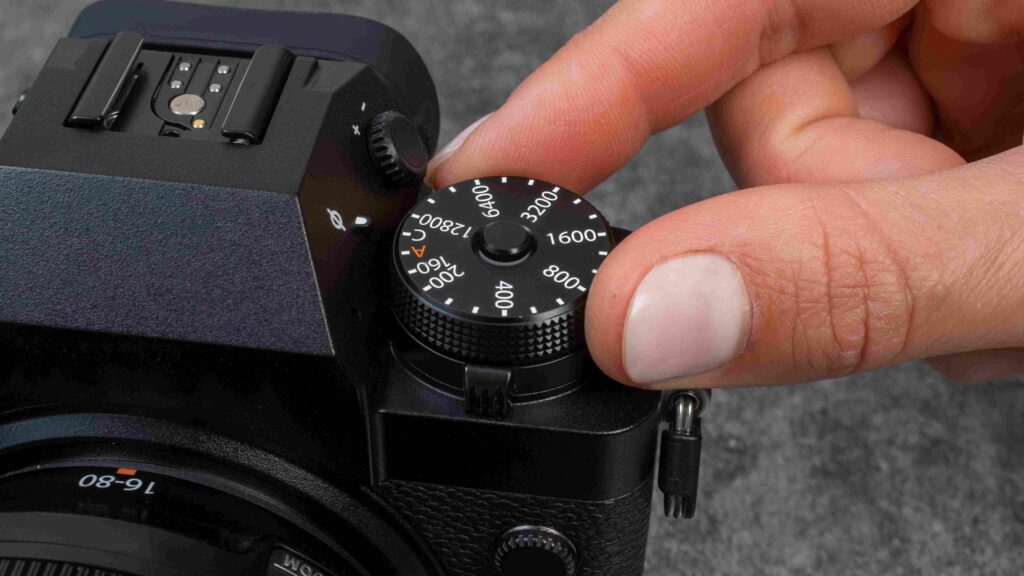
Set ISO to around 100 and 400. This keeps away grainy images and keeps the image clear. Only increase it if you are in low light conditions and cannot increase the shutter speed.
4. Manual Focus
Autofocus can struggle at close range. Switch the camera to manual focus and adjust carefully until your subject is strong and clear. To be sure it’s spot-on, use live view and zoom in for a closer look.
Macro Photography Techniques to Try
Here are a few beginner-friendly techniques that can level up your macro shots:
1. Focus Stacking
Sometimes you will find it difficult to focus on the entire subject. Focus stacking means taking multiple shots with different focus points and combining them in post-editing. Apps like Photoshop or Helicon Focus can help with this.
2. Use a Diffuser
Harsh light can create strong shadows. A DIY diffuser (like a piece of white paper or fabric) softens the light, making your subject pop without overexposing it.
3. Get Creative with Angles
Try different angles, like shooting from the side, above, or below, to add depth and interest to your shot. Changing your angle reveals new textures and perspectives.
4. Background Control
Because the frame is so tight, your background matters. A clean, blurred backdrop keeps the focus on your subject. Use a wide aperture and keep interference out of the frame.
Final Thoughts
Macro photography doesn’t have to be intimidating. Start small, experiment often, and don’t worry about getting everything perfect right away. The more you practice, the more you’ll see the world differently with one tiny detail at a time.
Whether you’re shooting with a DSLR, mirrorless camera, or even a smartphone with a macro lens, these techniques will help you get closer to the beauty that’s often overlooked.
If you’re short on time to fix your photos, no worries! Contact us now to get free image editing services. Click here to contact our sales representative!
Image Source: