
A product photographer plays a huge role in how brands sell their products online. From ecommerce stores to Instagram ads, great product photos can make the difference between someone clicking “buy” or scrolling past.
If you’ve ever wondered what a product photographer actually does, whether it’s difficult, and what skills are needed to get started, this guide will break it down in a simple, beginner-friendly way.
Even if you’re starting in photography, becoming a product photographer can be one of the most accessible and profitable niches in the creative industry today.
What is a Product Photographer?
A product photographer specializes in capturing product images for marketing, advertising, and online sales.
These photos are commonly used for:
- Ecommerce stores
- Social media promotions
- Advertising campaigns
- Product catalogs
- Online marketplaces
The main goal of a product photographer is simple: make the product look as appealing and professional as possible. Good product images highlight important details, textures, colors, and the item’s overall design.
For example, if you’re selling a smartwatch, a product photographer would focus on showing the screen, materials, and sleek design in a way that grabs attention and builds trust with potential buyers.
What Does a Product Photographer Do?
A product photographer does more than press the button. The job involves several creative and technical steps to produce high-quality images.
Here are the main responsibilities.

Planning the Photo Concept
Before shooting, a product photographer usually plans the photo’s visual style.
It includes deciding:
- Background color
- Lighting style
- Props or decorations
- Camera angle
- Mood or storytelling
For example, a skincare product might be photographed with soft lighting and natural elements, such as leaves or water, to create a clean, fresh look.
Setting Up Lighting
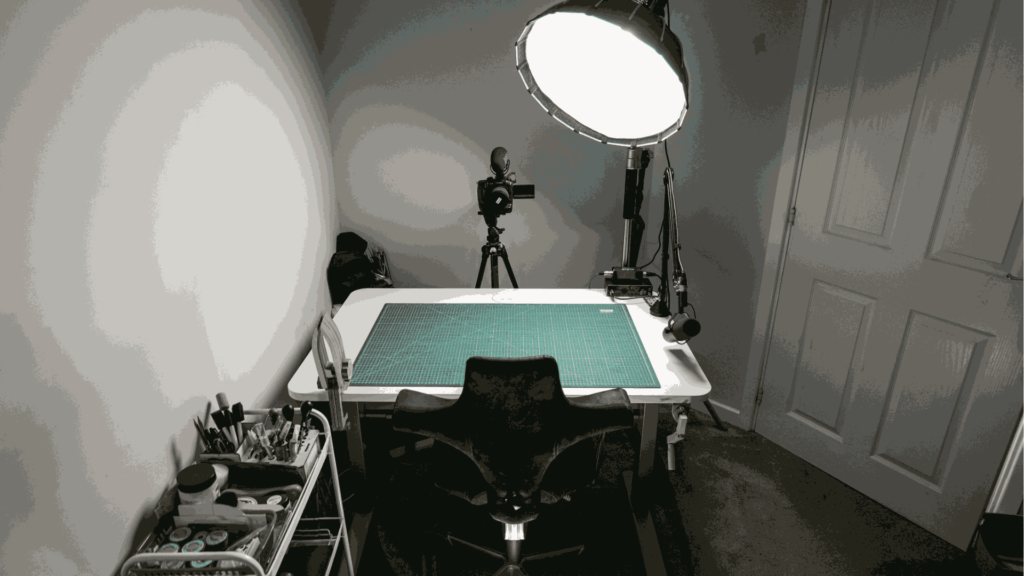
Lighting is one of the most important parts of product photography.
A product photographer carefully sets up lighting to:
- Remove harsh shadows
- Highlight product texture
- Show accurate colors
- Create depth and dimension
Common lighting tools include:
- Softboxes
- Ring lights
- Reflectors
- LED panels
Many beginners start with simple window light and a reflector, which can already produce amazing results.
Capturing the Product
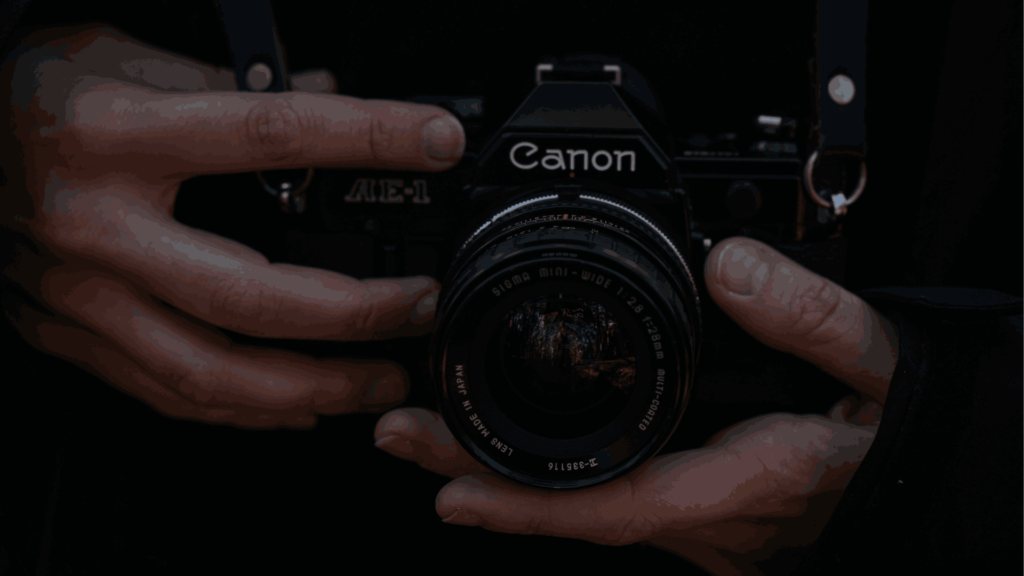
Once everything is ready, the product photographer starts shooting from different angles and perspectives.
Common shots include:
- Front view
- 45-degree angle
- Close-up details
- Lifestyle shots
Taking multiple variations helps ensure that the best image can be selected later.
Professional photographers often take dozens, or sometimes hundreds, of photos for a single product.

Editing and Retouching
After the shoot, a product photographer usually edits the images using software like Photoshop or Lightroom.
Editing tasks often include:
- Color correction
- Dust and scratch removal
- Background cleanup
- Lighting adjustments
- Sharpening details
Post-processing helps make the final image look polished and professional.
Is Product Photography Hard?
The short answer: not really, but it does require practice.
Product photography can actually be one of the easiest types of photography to start with because:
- You can shoot indoors
- The subject doesn’t move
- You control the lighting
- You can take as many photos as needed
However, it can still be challenging to make products look premium and eye-catching.
The hardest parts usually include:
- Mastering lighting setups
- Creating clean backgrounds
- Making simple products look interesting
The good news is that with consistent practice, beginners can improve very quickly. Many successful product photographers started with simple home setups, such as a desk, white paper, and natural window light.
What Skills Do You Need to Be a Product Photographer?
To become a successful product photographer, you don’t need expensive gear at first. What matters more are the skills you develop over time.
Here are the most important ones.
Photography Basics
First, you need to understand basic camera settings like:
- Aperture
- Shutter speed
- ISO
- White balance
- Focus
These settings help control exposure, depth of field, and image sharpness.
Even smartphone photographers can learn these concepts to improve their results.
Lighting Knowledge
Lighting is the most important skill for any product photographer.
Understanding light helps you:
- Control shadows
- Create mood
- Highlight textures
- Avoid reflections
Learning how to shape light using softboxes, diffusers, and reflectors will dramatically improve your photos.
Composition and Styling
A product photographer also needs a good eye for composition.
It means knowing how to arrange elements in the frame so the product stands out.
Common composition techniques include:
- Rule of thirds
- Minimalist backgrounds
- Symmetry
- Leading lines
Props and styling can also help create visual storytelling around the product.
Photo Editing Skills
Editing is a huge part of product photography.
You should learn how to use tools like:
- Adobe Lightroom
- Adobe Photoshop
- Capture One
These programs allow you to adjust lighting, remove imperfections, and make the product look clean and professional.
Attention to Detail
Product photography requires close attention to small details.
A professional product photographer will check for things like:
- Dust on the product
- Wrinkles on labels
- Fingerprints on glossy surfaces
- Uneven reflections
These tiny details can make a big difference in the final image quality.
Final Thoughts
Becoming a product photographer is a great opportunity for anyone who loves photography, creativity, and visual storytelling.
The job involves planning concepts, setting up lighting, capturing products from different angles, and editing images to make them look professional.
While product photography takes practice, it’s not as difficult as many beginners think. With the right skills, patience, and consistent learning, anyone can develop the expertise needed to become a successful product photographer.
Start small, keep experimenting with lighting and composition, and focus on building a strong portfolio. Over time, your work will improve, and new opportunities will naturally follow.
If you’re short on time to fix your photos, no worries! Contact us now to get free image editing services. Click here to contact our sales representative!
Image Source: