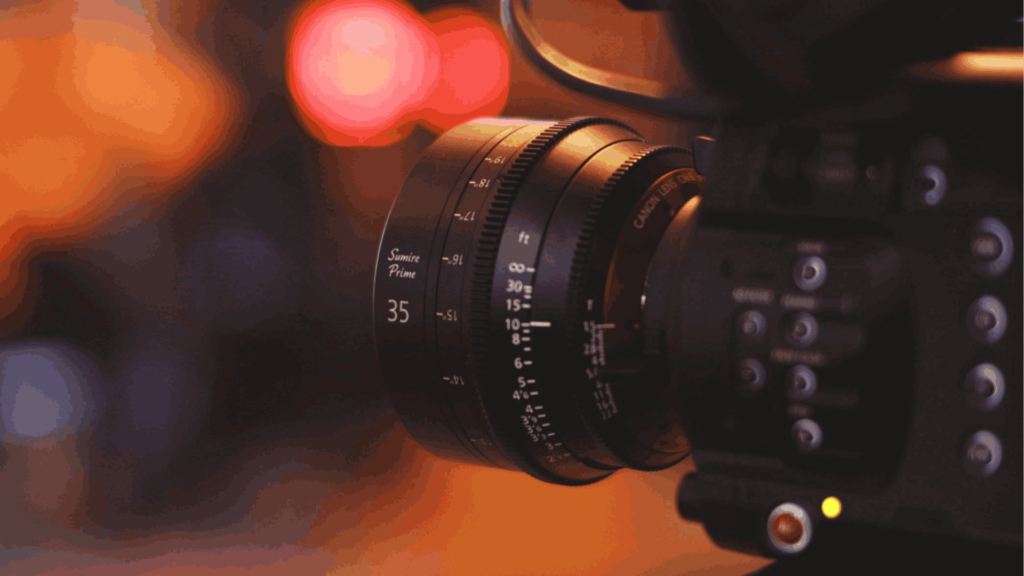
Cinematic photography is one of the most exciting styles in modern photography. Instead of simply capturing a moment, this style aims to create an image that feels like a movie scene.
Think about dramatic lighting, emotional storytelling, rich colors, and compositions that feel like they belong on the big screen. That’s the essence of cinematic photography.
This style has become especially popular among photographers, filmmakers, and content creators on platforms like Instagram and TikTok. Many creators want their photos to feel more immersive and cinematic rather than just casual snapshots.
The good news? You don’t need a Hollywood budget to achieve this look. With the right techniques, mindset, and a bit of creativity, anyone can start creating cinematic images.
In this guide, you’ll learn what cinematic photography is, the techniques used to create it, and how you can become a cinematic photographer yourself.
What Is Cinematic Photography?
Cinematic is a style of photography that makes images look like movie scenes. The focus is not only on visual beauty but also on storytelling, mood, and atmosphere.
Instead of taking a simple portrait or landscape shot, cinematic photography tries to create emotion. Every element in the frame, like lighting, color, composition, and subject, works together to tell a story.
For example, imagine a photo of someone standing alone on a rainy street at night, illuminated by a single street lamp. The lighting, environment, and emotion instantly feel like a movie scene. That’s cinematic photography in action.
Key characteristics of cinematic images usually include:
- Dramatic lighting
- Strong storytelling
- Wide compositions
- Color grading inspired by films
- Emotional or mysterious atmosphere
In short, cinematic photography turns ordinary photos into visual stories.
Why Cinematic Photos Look So Powerful
One reason cinematic photography feels so captivating is that it mimics the visual language of films.
Movies use specific techniques to guide the viewer’s emotions. Cinematic photographers borrow those same techniques to create similar effects in still images.
Some reasons cinematic photos stand out include:
1. Emotional storytelling
A good cinematic photo makes people feel something, such as curiosity, nostalgia, suspense, or calmness.
2. Dramatic lighting
Lighting is often directional and intentional, creating shadows and highlights that add depth.
3. Film-inspired color grading
Color plays a huge role. Many cinematic images use teal-orange tones, muted colors, or dramatic contrast.
4. Strong composition
Framing and perspective help guide the viewer’s eyes through the story in the image.
Because of these elements, cinematic photography feels more immersive than traditional photos.
What Makes a Photo Look Cinematic?
If you want to create movie-like images, these cinematic techniques can make a huge difference.
1. Use Dramatic Lighting
Lighting is the heart of cinematic photography.
Instead of flat lighting, try using light sources like:
- street lights
- window light
- neon signs
- sunset light
Low-key lighting works especially well because shadows add mystery and depth to the photo.
2. Shoot During Golden Hour or Blue Hour
Timing is crucial. The golden hour creates warm, cinematic tones, while the blue hour provides a cool, moody atmosphere. Both lighting conditions are ideal for cinematic images.
3. Use Wide Framing
Movies often use wide shots to establish a scene.
Try stepping back and capturing more of the environment around your subject. It helps to create context and makes the photo feel more cinematic.
4. Add depth to the Scene
Depth is crucial in cinematic photography.
You can create depth by including elements in:
- the foreground
- the subject in the middle
- the background
For example, shooting through objects like glass, leaves, or door frames can add a cinematic feel.
Gear That Helps Create Cinematic Images
You don’t need expensive gear to start cinematic photography, but certain tools can help.
Camera
Any modern camera works, including mirrorless cameras and even smartphones.
Lens
Prime lenses like 35mm or 50mm are popular because they produce natural perspectives and a shallow depth of field.
Lighting
Simple lighting tools like LED panels, practical lights, or even household lamps can create cinematic lighting setups.
Editing Software
Programs like Lightroom or Photoshop help refine colors and contrast for a cinematic finish.
Remember, gear is helpful, but creativity matters much more.
Read also: TikTok Photo Editing
How to Become a Cinematic Photographer
If you want to improve your cinematic photography skills seriously, follow these practical steps.
Study Movies
Watch films and pay attention to how scenes are framed and lit.
Notice:
- lighting direction
- color palettes
- camera angles
- storytelling techniques
Movies are the best inspiration for cinematic photography.
Practice Storytelling Through Images
Instead of random photos, try creating images with a narrative.
For example:
- a lonely traveler
- Someone is waiting at a train station
- late-night city exploration
The stronger the story, the more cinematic the photo feels.
Learn Color Grading
Color grading is a huge part of cinematic photography.
Spend time learning how to adjust:
- contrast
- color tones
- highlights and shadows
Even small adjustments can transform an ordinary photo into something cinematic.
Read also: Change Colors in Photoshop
Experiment With Locations
Great cinematic photos often come from interesting environments.
Look for places like:
- empty streets at night
- foggy parks
- parking garages
- rooftops
- urban alleyways
Unique locations automatically add atmosphere to your images.
Keep Practicing Consistently
Like any creative skill, cinematic photography improves with practice.
The more you shoot, experiment with lighting, and refine your editing style, the better your cinematic images will become.
Read also: Generative Fill Editing
Final Thoughts
Cinematic photography is more than just a trendy style; it’s a creative way to tell stories through images.
By combining dramatic lighting, thoughtful composition, and film-inspired color grading, you can turn everyday moments into powerful visual scenes.
The best part is that you don’t need expensive gear or a movie set to get started. With creativity, observation, and consistent practice, anyone can learn cinematic photography and create images that truly feel like they belong in a film.
So grab your camera, explore new locations, experiment with light, and start telling your own cinematic stories.
If you’re short on time to fix your photos, no worries! Contact us now to get free image editing services. Click here to contact our sales representative!
Image Source: